The True Cost of an African Safari
I understand how surprising the cost of an African safari can be. A thoughtfully designed journey in Africa is often expensive, and it can be difficult to understand why if you do not know exactly what the price includes—or what it helps to sustain.
In the destinations we choose for Africa New Explorers, the cost of a safari covers far more than accommodation and comfort. Responsible safari tourism can help protect vast wilderness areas, support wildlife conservation, employ and train local people, and fund projects that benefit neighbouring communities.
Of course, safari tourism remains a business. However, I believe it can—and should—be conducted with respect, transparency and fairness.
Looking Beyond Sustainable-Tourism Labels
This is why I am cautious about grand promises and labels such as “eco-friendly,” “sustainable” or “responsible.” These words are easy to use, but what matters is what genuinely happens on the ground.
Whenever possible, I take the time to meet the people behind the lodges and safari companies we work with. I speak to their teams, learn how they operate and try to understand how tourism affects the surrounding environment and communities.
When a particular way of working does not reflect our values, we do our best to find a more responsible alternative.
Responsible Community Tourism in Bwindi
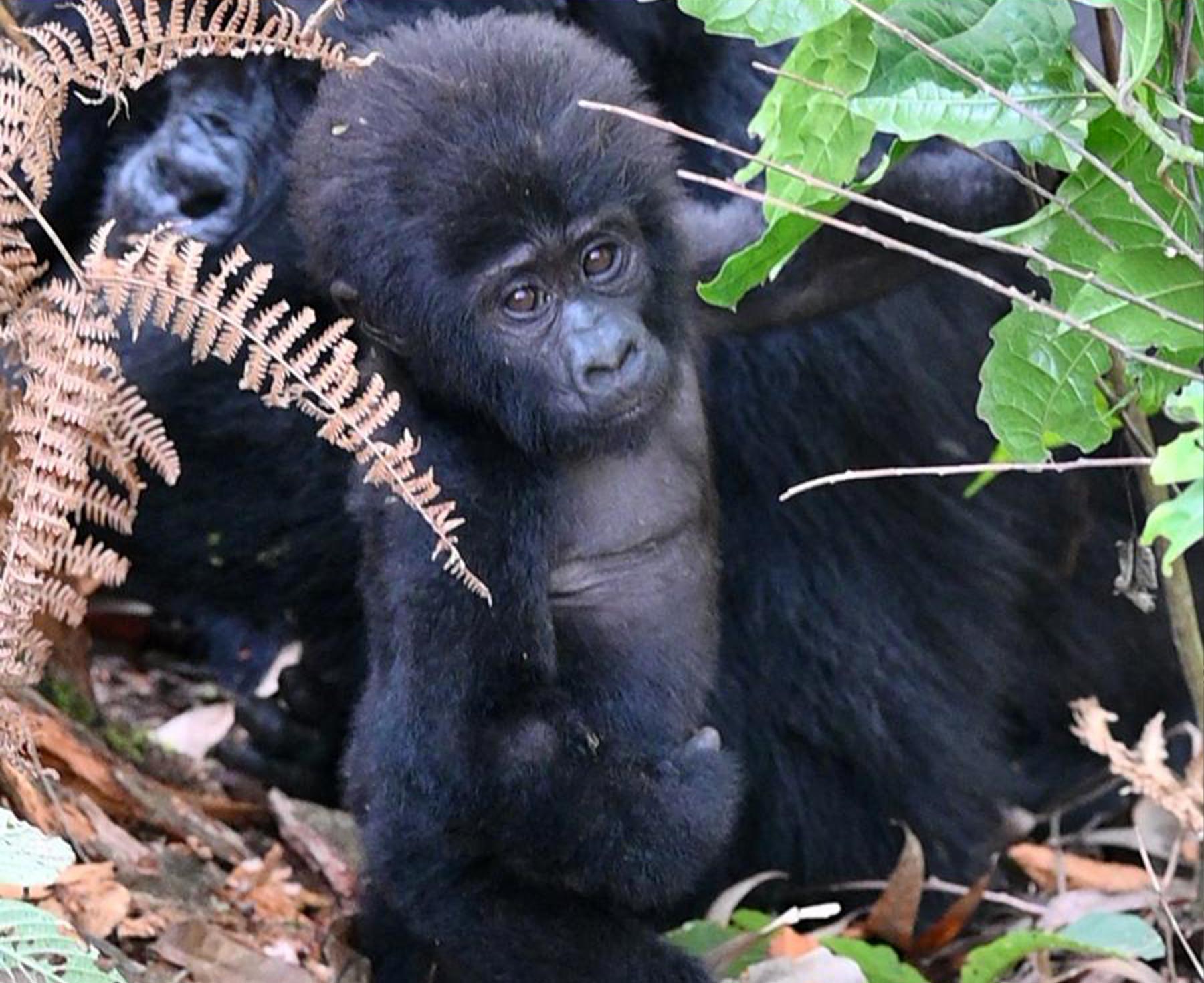
In Bwindi, Uganda, this principle has a particularly important meaning. Bwindi Impenetrable National Park is internationally known for mountain-gorilla trekking, but the region is also home to families and communities facing extremely difficult living conditions. Visits to villages, schools and community projects must never turn poverty into a tourist attraction.

Such encounters are only meaningful when they are approached with dignity, respect and sensitivity—and when they provide genuine, lasting benefits for the people involved.
Africa New Explorers would now like to help develop several initiatives in the Bwindi region, particularly in the area of prevention and community wellbeing. Our intention is not to impose outside solutions, but to design and implement these projects together with the people directly affected. They understand their circumstances, challenges and priorities better than anyone else.
Can Safari Tourism Be a Force for Good?
I do not claim to have every answer, nor do I believe that everything can always be done perfectly.
Tourism can place pressure on fragile environments, disrupt traditional ways of life and change the character of the places travellers come to experience. These risks should never be ignored.
However, when an African safari is planned carefully and responsibly, tourism can also become a remarkably positive force. It can protect wildlife habitats, create meaningful employment, develop local skills and generate income for communities living alongside protected areas.
This is the vision of responsible travel that I am trying, in my own small way, to champion through Africa New Explorers: journeys that are memorable for our travellers while remaining respectful of Africa’s people, wildlife and extraordinary natural environments.